Voices of Select Green Hotels: Conversations with the people shaping sustainable hospitality.
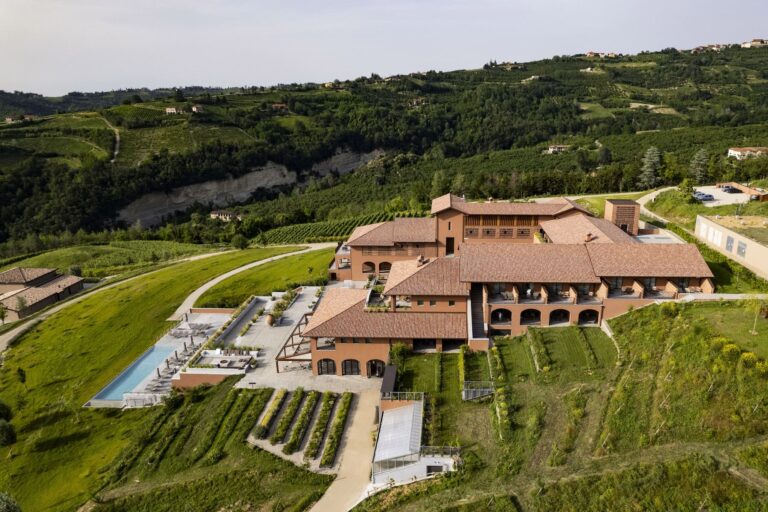
Among the vine-covered hills of Piedmont, in the heart of one of Italy’s most celebrated wine and truffle regions, Casa di Langa is a five-star eco resort with an origin story unlike most: it was born from the transformation of an abandoned construction site, completed in 2021 with a deep commitment to sustainability and respect for local traditions.
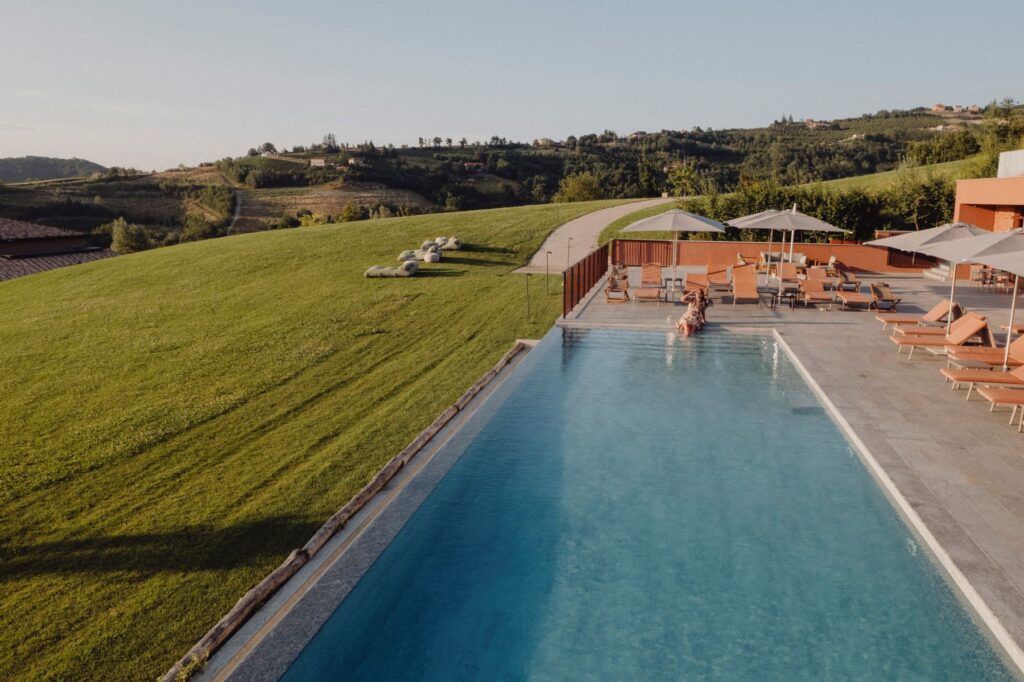
Spread across 42 hectares of vineyards and forest, the 39 rooms and suites each open onto private terraces with sweeping views of the Langhe landscape. Below, a farm-to-table restaurant, an ecological spa, and a regenerative vegetable garden invite guests to slow down and connect with the land — while truffle hunting unfolds right on the estate’s own grounds.
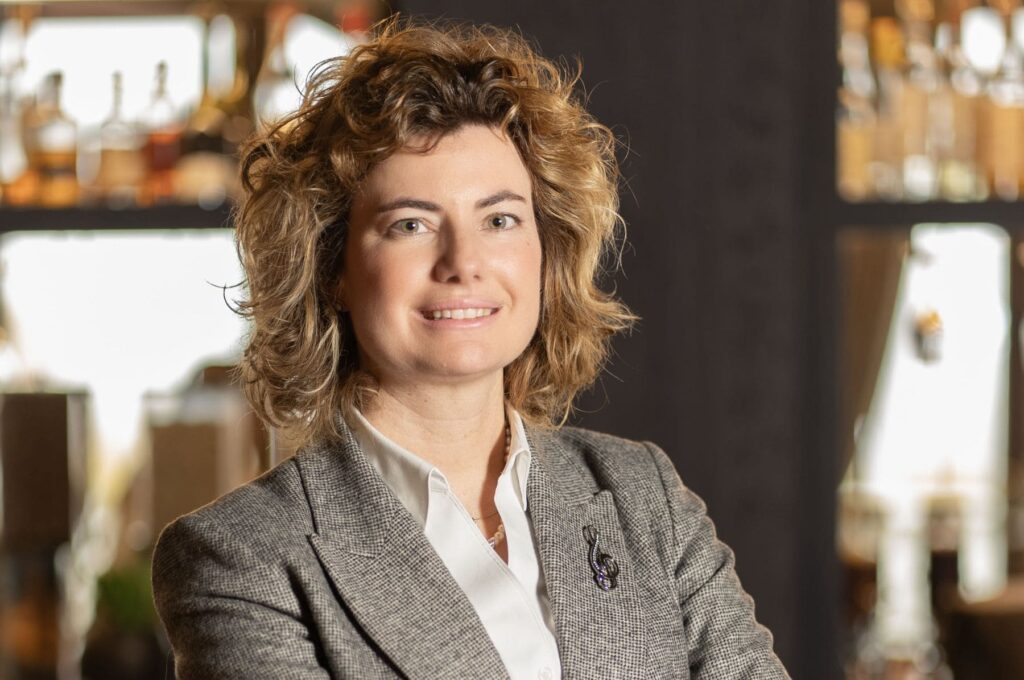
We spoke to Eva Codina, Manager at Casa di Langa.
“At Casa di Langa, the vegetable garden is not merely observed but experienced.”
1. What is the story behind Casa di Langa? How did it all begin?
Casa di Langa is the result of the completion and renovation of an abandoned construction site that had been left unfinished for several years, transforming it into a five-star hotel. Our parent company, Krause Group, is strongly committed to sustainability and CSR, so the decision to complete the site rather than demolish it and start from scratch came naturally.
The site was purchased in 2017; construction began in mid-2019, and we officially opened in May 2021. It was a complex process due to the existing structure, which we had to preserve and adapt to our needs. The original project designs were missing, we encountered several hidden issues, and the COVID-19 lockdown was particularly challenging to manage. However, with the support of the company’s vision, along with the architects and the general contractor, we shaped the design, materials, and overall concept—rooted in local traditions and respect for the environment—while developing all hotel operations to ensure an excellent guest experience.
2. Truffle hunting is a typical activity in the region. How can guests take part in this experience, what does it involve, and at what time of year is it available?
Truffle hunting has a long and deep history in the Piemonte region.
In the 18th century, Piedmont — particularly Alba and the Langhe — became the kingdom of the white truffle. The Savoy courts and the great local chefs made it a luxury product, destined for the aristocratic tables of all over Europe. The trifolau, that is, the truffle hunters, emerged as an independent professional figure, a bearer of knowledge passed down in secret from father to son.
Truffle hunting has never been just an economic practice, but an authentic art of search. It requires respect for nature, knowledge of the land, and an indissoluble bond with the truffle dog, trained to recognize the scent of the hypogeous fungus.
Today, going “truffle hunting” in the Langhe or Monferrato means taking part in a ritual that combines history, passion, and peasant culture. The trifolau is considered an almost mythical figure, a symbol of balance between man and nature.
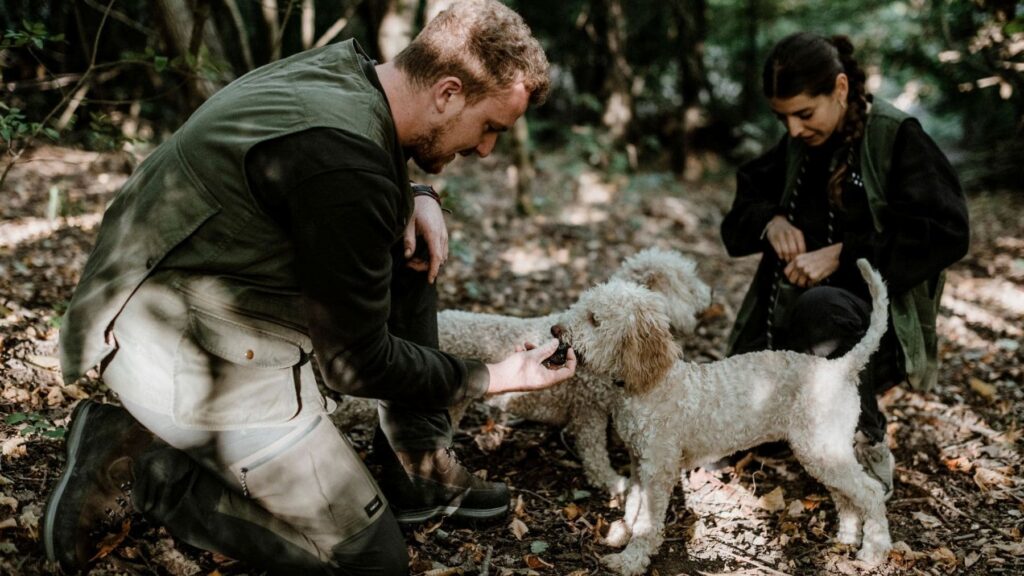
At Casa di Langa, truffle hunting begins right at our doorstep. The estate is surrounded by its own forest, where truffles grow naturally, allowing guests to take part in an authentic experience guided by a local trifolau and his or her dog. These outings can be enjoyed privately or shared with a small group, offering an intimate introduction to one of Piedmont’s most treasured traditions.
The experience unfolds effortlessly. On the day of the hunt, guests meet at the welcome desk, where they are provided with boots for the excursion and a Casa di Langa–branded tote with water—no transfers required. From there, the journey continues into the forest, where the trifolau leads the way. Along the trail, guests witness firsthand the quiet dialogue between dog and hunter, observing the dog’s behavior as it detects a truffle and the deep bond that guides the search.
Should a truffle be found, the experience comes full circle at the table. A black truffle may be kept and served during a meal at the Casa di Langa restaurant, while a white truffle can be purchased and enjoyed freshly prepared by our chefs—transforming a moment in the forest into an unforgettable culinary memory.
3. You are one of the few Select Green Hotels to achieve a perfect 8/8 score in our sustainability criteria. Even so, we must ask—what new developments or initiatives can we expect in this area this year or next?
Sustainability at Casa di Langa has always started within our hotel, but this year we’re extending that commitment outward by formalizing a Green Supplier Agreement and working toward all our suppliers meeting our criteria by 2027. The commitments cover local sourcing, minimizing single-use plastics, waste reduction, and consolidating deliveries to limit transport emissions. For us, it’s about extending our values beyond our own property into the people we work with every day.
On climate, we’re genuinely proud of where we stand. Preliminary 2025 data is around 49 MT CO₂e, down from 427 in 2021, meaning we’re almost at our 2030 target already. We also continue to align with CSRD and VSME reporting expectations, work with tourism partners on guest travel emissions (our biggest Scope 3 source), and support local entrepreneurs in bringing Langhe producers and artisans into the guest experience in a more structured way.
4. The vegetable garden is a very special part of Casa di Langa. In what ways can guests experience it?
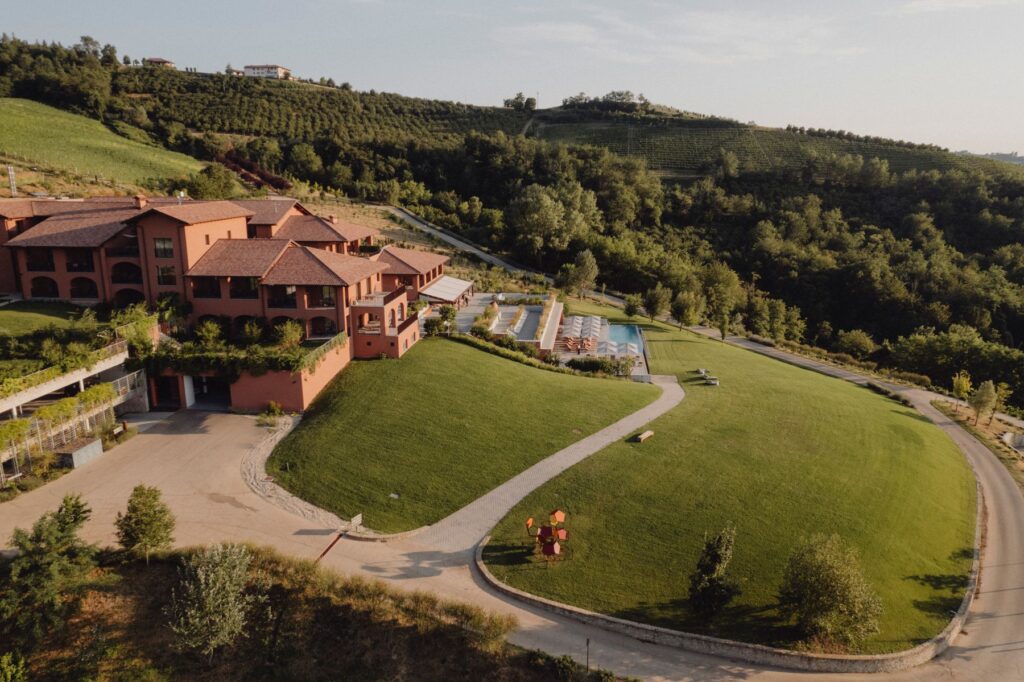
At Casa di Langa, the vegetable garden is not merely observed but experienced. Guests can choose from a selection of immersive activities designed to bring them closer to the land and its rhythms. By reservation, they may join a guided garden tour led by our gardener, discovering the principles of regenerative agriculture we have embraced to restore soil that lay abandoned for many years. The walk unfolds through the vegetable garden, aromatic garden, and greenhouse, where guests are invited to taste berries, cherry tomatoes, edible flowers, and fragrant herbs directly from the plants.
For those who prefer to explore at a slower pace, a dedicated trekking trail winds through our forest. Along the way, our gardeners have created biodiversity corridors -living ecosystems designed to enrich both the quality and diversity of microorganisms- offering a quiet yet profound encounter with the natural balance that sustains the estate.
5. In 2027, the city of Alba, just a few minutes from the hotel, will be the Italian Capital of Contemporary Art. How do you plan to take part in this initiative?
At Casa di Langa, our appreciation for contemporary art is deeply rooted, and whenever possible, we love to share this passion with our guests and partners. This year marks a new chapter with the launch of our very first artist residency.
We will welcome an artist to Casa di Langa for a week-long stay, during which they will create a site-inspired work while sharing their creative process, background, and perspective with our guests. Conceived as a moment of dialogue and exchange, the residency is designed to enrich both the artist and the community that gathers around the Casa. We see this as the beginning of a long-term commitment and plan to continue hosting artist residencies in the years to come.
6. How can guests enjoy Piedmont in the different seasons?
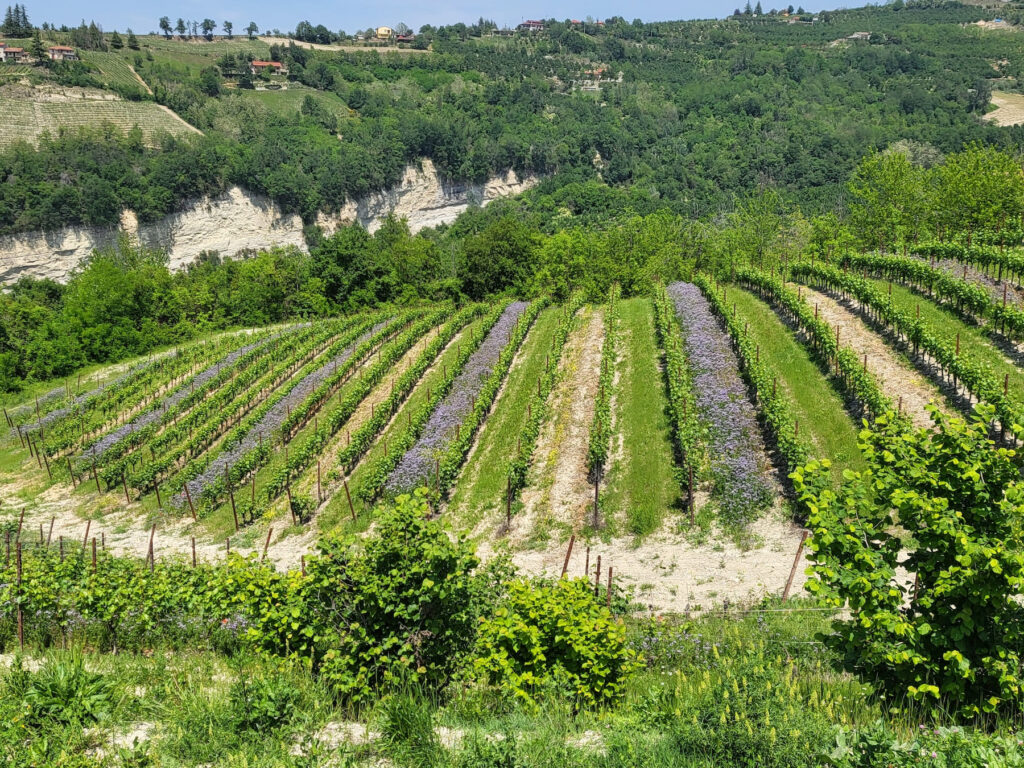
Piemonte is captivating in every season, each with its own distinct character. Spring is a time of renewal, ideal for enjoying the outdoors as nature awakens and birdsong fills the air. Summer invites guests to linger outside basking in the sun by the pool or setting out on scenic family hikes through the Langhe hills.
Autumn is undoubtedly the most iconic season in Piemonte. It is when the elusive white truffle emerges from the forest, to be savored alongside a fine vintage of Barolo during leisurely meals, all against the warm hues of autumn foliage. Winter, meanwhile, offers a quieter charm for those who enjoy skiing without the bustle of crowded resorts. The nearest slopes are less than an hour’s drive away, while the season also provides the perfect opportunity for festive shopping in Alba or Turin, the region’s elegant capital—an ideal setting for a relaxed, multi-generational family escape.
7. What kind of feeling or memory do you hope guests take with them when they leave Casa di Langa?
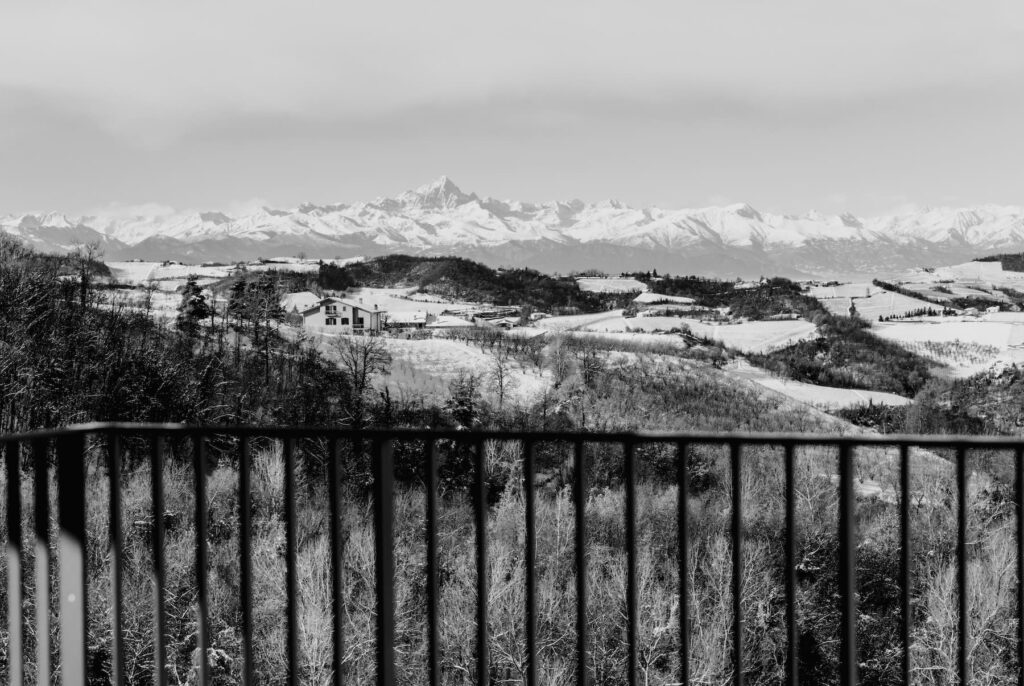
When I see our guests sitting outdoors, doing nothing more than taking in the panorama and listening to the sound of silence, I feel we have achieved our ultimate goal. I hope they carry these moments with them, drawing on the memory whenever life becomes too noisy. And when they think of Casa di Langa, beyond the beauty of the house and the landscape, I hope what lingers most is the genuine care and warmth of our people, the kind of service that makes guests feel truly seen and deeply welcomed.
Casa di Langa – In Short
8. Your favorite spot in or around the hotel?
Observing the panorama through the brick wall of the corridor in the 5th floor.
9. Your favorite dish at Fàula restaurant
I will remain traditional in answering this question, so my favorite dish at Fàula Restaurant is the agnolotti del plin con il sugo di arrosto. This dish consists of homemade ravioli stuffed with a mixture of three different roasted meats, served with the delicate jus from the cooking of the meats.
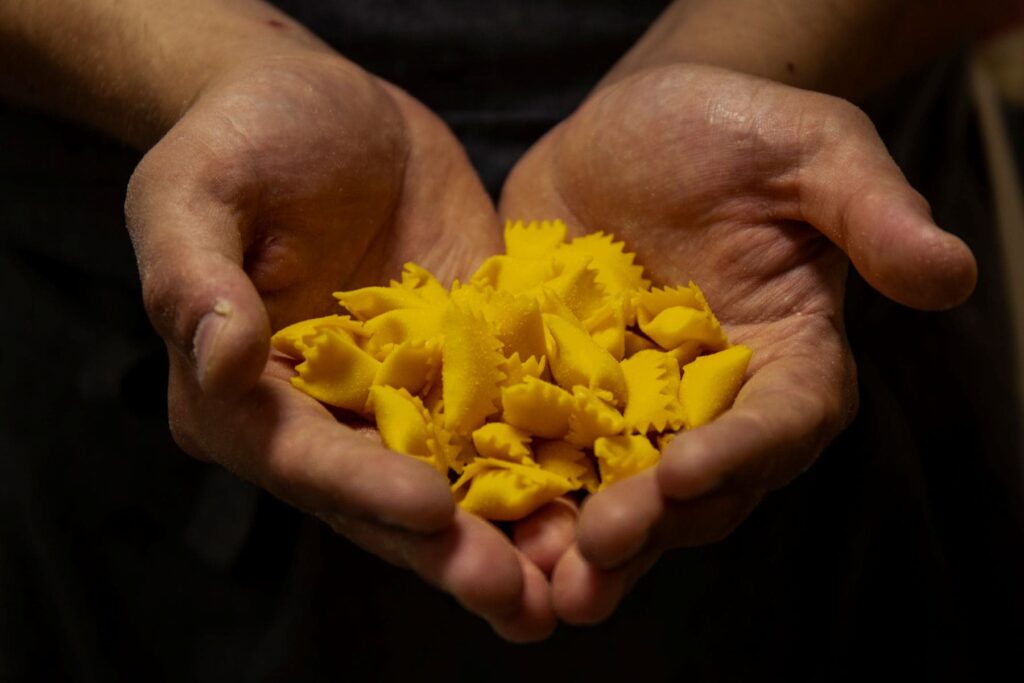
10. Your favorite treatment at the Spa Lelòse?
Reset Jag, a treatment specially designed for our guests who spend several hours traveling to reach us.
The 75-minute ritual includes a Dead Sea salt leg wrap useful for removing tensions accumulated during the journey. While in the wrap, a head, neck, and shoulder massage is performed, combined with the application of a specific eye contour mask, capable of relieving fatigue, brightening, moisturizing, and providing a relaxing effect.