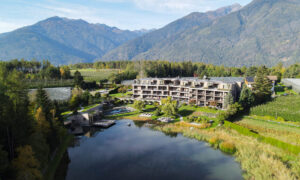
Harvest season can be one of the most rewarding times of year to travel. The air changes, the landscape shifts, and fields, vineyards, and forests enter a season closely tied to local culture and centuries-old traditions.
Across six selected estates in Bulgaria, Italy, Portugal, France, and South Africa, harvest takes place at very different times of year. In Europe, it usually shapes late summer and autumn, while grape harvest at the South African Cape begins as early as February.
Guests can stomp grapes, hunt for truffles, or forage for mushrooms in a hotel’s own woodland. These experiences offer a direct connection to the landscape, agriculture, and local culture.
Here are six distinctive places that invite guests to experience harvest season firsthand.
AYA Estate, Struma Valley (Bulgaria)
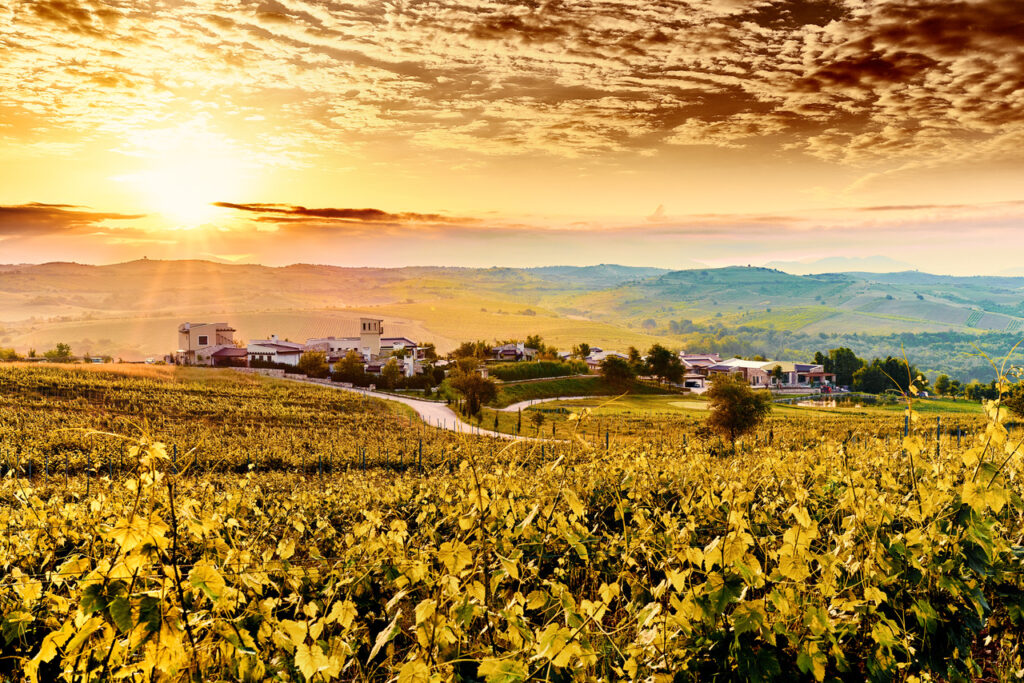
At the foot of Melnik’s sandstone cliffs lies a vineyard older than most European nations. Bulgaria’s winemaking tradition stretches back over 4,000 years, to the Thracians. AYA Estate farms its vines biodynamically and safeguards indigenous grape varieties that have all but vanished elsewhere. Come harvest, the estate’s own winery leads the way. Guests taste five AYA wines at the source, alongside tastings at neighboring producers like Villa Melnik. Stone buildings with timber beams look out over vineyards mid-harvest below.
Casa di Langa, Piedmont (Italy)

A hundred acres of vineyards, set inside the UNESCO-listed Langhe hills. Autumn brings two harvests here: grapes, and the region’s famous white truffle. With a trained dog and an expert hunter, guests search for truffles themselves, a ritual generations old. Chestnut picking rounds out the season. In the hotel’s cooking classes, ingredients often reach the pan minutes after leaving the garden.
Babylonstoren, Cape Winelands (South Africa)

Between Stellenbosch and Franschhoek stretches a 200-hectare estate of vineyards, orchards, and vegetable beds. Its grape harvest falls on Southern Hemisphere time, usually in February. Visit between December and April to catch it in person. The garden pergola grows 19 grape varieties, timed to ripen one after another so there’s almost always something to pick. Guests harvest bunches straight from the pergola arch, once protective netting keeps the birds and squirrels away. Nearly everything on the menu at Babel restaurant comes from the garden, picked the same day it’s served.
Tenuta Zamparina, Tuscany (Italy)

On a hillside near Montignoso sits a vegetable and fruit garden that feeds its own kitchen. The view stretches to the Tuscan Riviera and the Gulf of Poets. What lands on the dinner table often grew a few steps away and was picked that same day. Six suites, an infinity pool, and a marble dining table turn this quieter harvest into an occasion, not a spectacle.
Six Senses Douro Valley, Samodães (Portugal)

Terraced vineyards fall from this 19th-century manor down to the Douro River, inside the world’s oldest demarcated wine region. Come harvest, guests stomp grapes barefoot, the old way. The “Winemaker for a Day” program walks them from vine to bottle. The resort’s Earth Lab runs workshops on harvesting, food production, and upcycling. In the evening, the in-house sommelier guides tastings through the wine library.
Domaine des Etangs, Charente (France)

A spiral-shaped organic garden supplies this château’s restaurants with fresh produce every day. The wine regions of Cognac, Bordeaux, and Saint-Émilion lie only a few hours away by car. Come autumn, guests forage for mushrooms in the estate’s own woods, alongside guided tours of the dairy and vegetable gardens. 1,000 hectares of forest, pasture, and ponds remain protected around the estate.
When Is Harvest Season in Europe?
Grape harvest in Southern Europe typically starts in late August and runs through October. Olive harvest follows later, usually in October and November. To catch both, travel between mid-September and mid-October. Babylonstoren in South Africa is the exception. On the Southern Hemisphere calendar, its harvest falls in the European winter, usually February.
FAQ
When is the best time for a harvest-season stay?
Most European wine regions harvest between early September and mid-October, depending on grape variety and climate.
Can guests join the grape or olive harvest themselves?
Yes, at several properties. Guests stomp grapes barefoot at Six Senses Douro Valley and pick from the pergola at Babylonstoren. At Casa di Langa, it’s a truffle hunt with a trained dog. Hands-on participation is usually optional.
What sets a wine estate hotel apart from a farm stay?
A wine estate hotel puts viticulture at the center. A farm stay often covers a wider range of agriculture.
Are these hotels worth visiting outside harvest season?
Yes. Vineyards, gardens, and olive groves shape the landscape year-round, even though the harvest itself lasts only a few weeks. All of these hotels have a pool, sauna and other wellness facilities.