Voices of Select Green Hotels: Conversations with the people shaping sustainable hospitality.
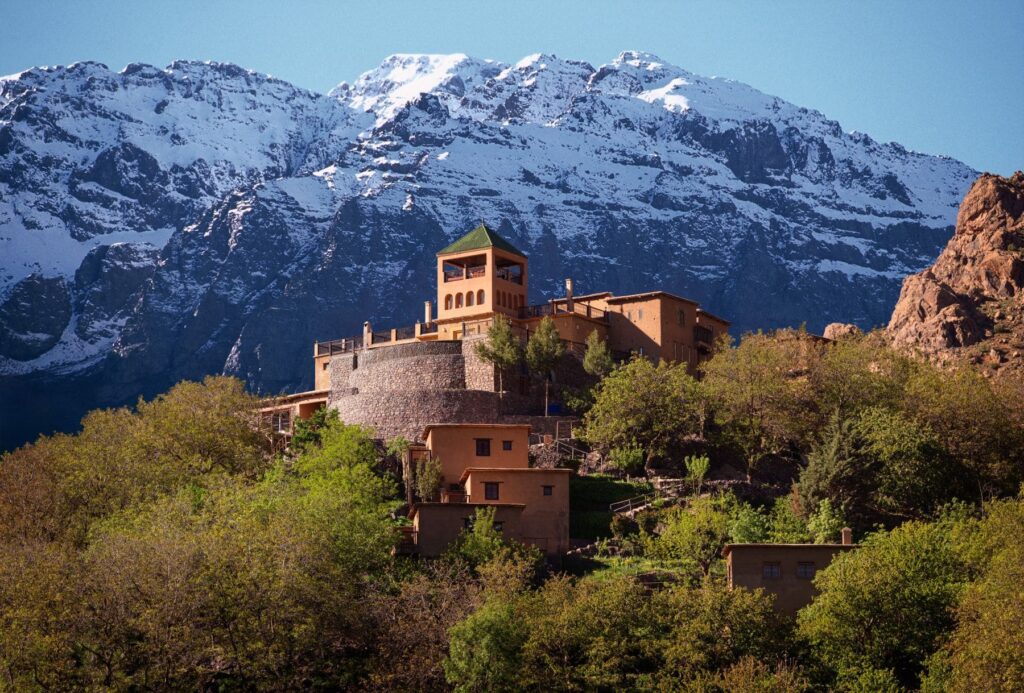
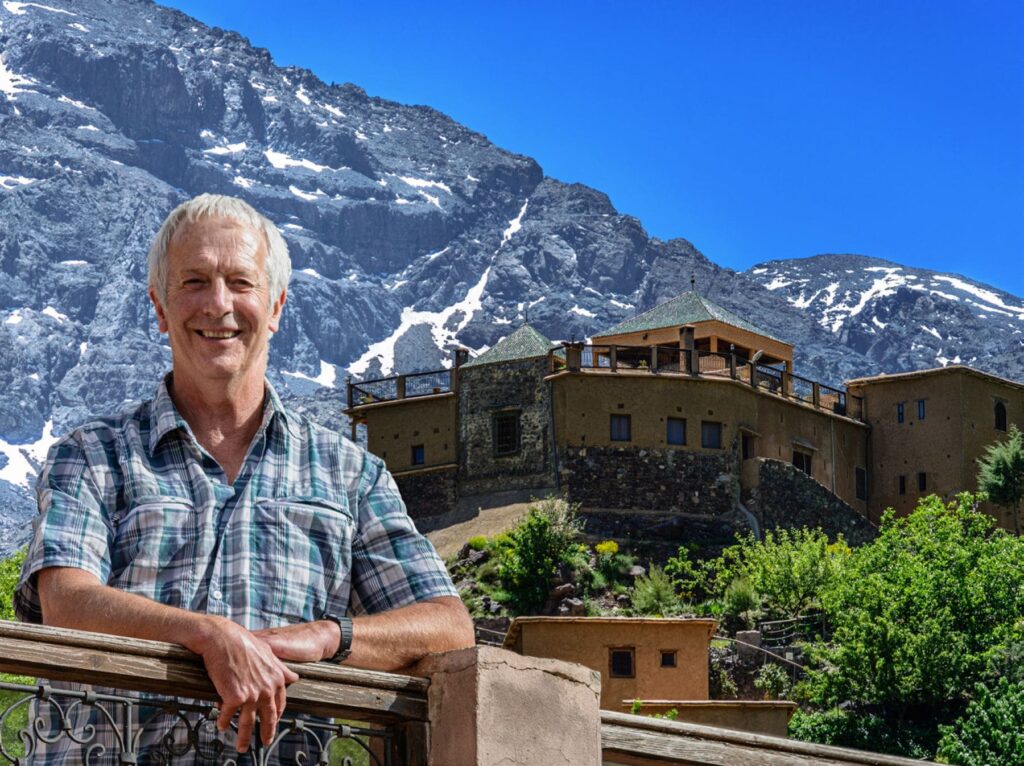
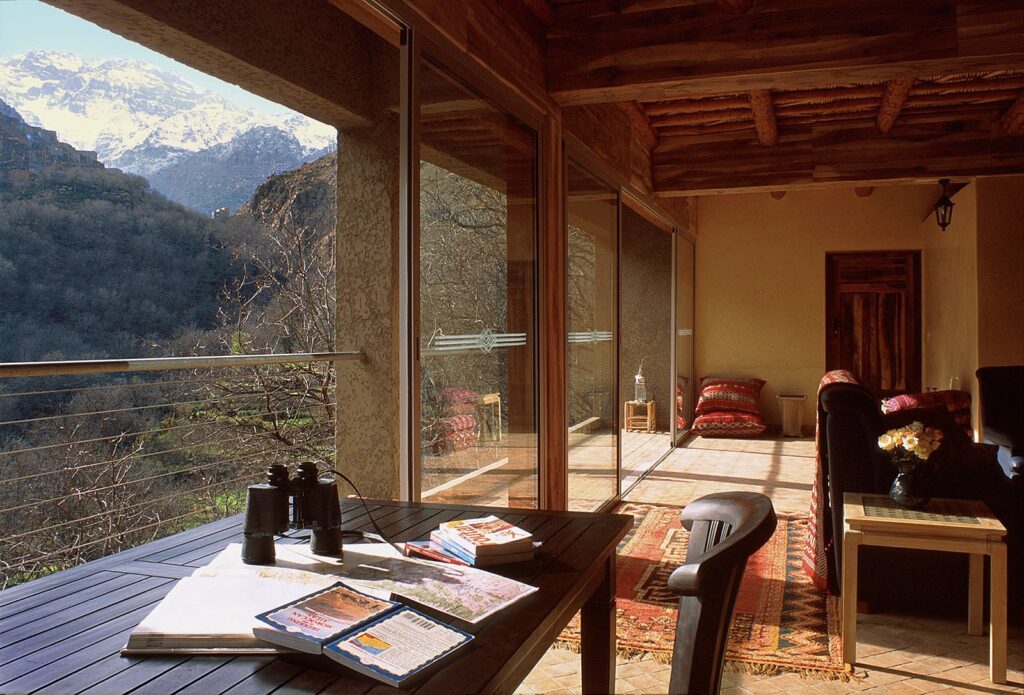
At the foot of the Jbel Toubkal, North Africa’s highest peak, Kasbah du Toubkal feels almost otherworldly—a hidden paradise that, remarkably, lies just 60 km from Marrakech.
Originally a fortress, it was carefully restored over 30 years ago and has since evolved into a refined boutique hotel, where thoughtful comforts—such as an infinity pool and some of the region’s best traditional cuisine—are seamlessly integrated while preserving the local architecture.
Today, it stands as a unique retreat for those drawn to trekking, as well as for those seeking serenity paired with some of the most breathtaking views imaginable. We spoke to Mike McHugo, the owner of Kasbah du Toubkal.
1. You were trekking in the Atlas Mountains when you discovered Kasbah du Toubkal. How do you remember that moment?
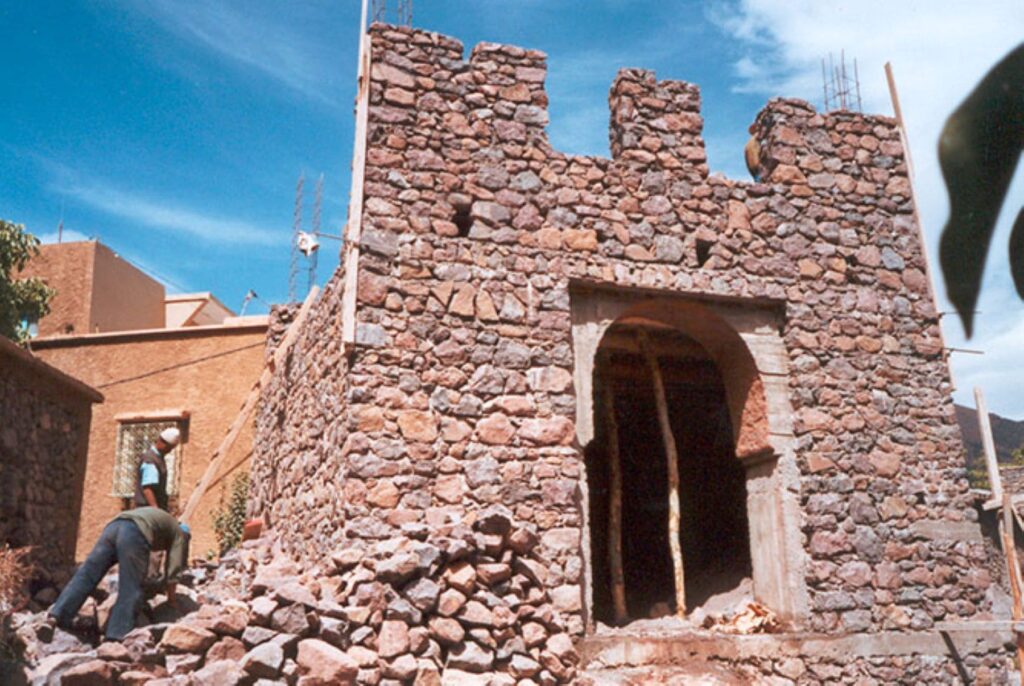
We used to go to Imlil to trek, and we’d built up a lasting relationship with a guide who became our manager, Omar Ait Bahmed . We used to use his house and look up to the Kasbah as a ruin. One day my brother Chris came out on a trip, and we looked up at the ruin and decided that perhaps we should try and buy it. We (Discover Limited) purchased it in 1989 and in between 1989 and 1995 we had a lot of paperwork with the administration because we had to change the use of the land from agricultural land to tourist (foreigners weren’t allowed to own agricultural land). In 1995 we rebuilt the Kasbah, mainly for school trips. Then around the year 2000 we put some ensuite rooms in and it became a bit like the Riads in Marrakech.
2. What role did this building and its surroundings play before it became a hotel?
It was previously owned by a local ruler, Caid Souktani, who came up from Marrakech to spend the hot summer months here. He was a member of the Glaoui tribe, who were largely responsible for getting the current king’s grandfather Muhammad V exiled to Madagascar because he sided with the French. So, when independence came in 1956, his land was confiscated and the Kasbah began to fall into ruin until we purchased it.
3. What was one decision that shaped Kasbah du Toubkal’s close relationship with the local community?
When we purchased it, we decided we wanted to do it on sustainable grounds and benefit the local community almost more than the visitor. And it wasn’t just about us buying food from the locals and the guides gaining from us through employment. We wanted to come up with a reason for the greater economy, partly because we didn’t want it to become a tourist monoculture. So, we came up with the idea of our guests paying a 5% levy that would go to social projects.
When we started operating in 1995, there were no facilities from the Moroccan government. There was a dirt road, there was no electricity, there was no ambulance. So, one of the first projects was that we purchased an ambulance for the region. And then we built a bathhouse, effectively for the local community.
In 2006, I formed a charity, Education for All, with people from Marrakech who had riads. The charity provides boarding houses near state schools, colleges and lycées to allow girls from the rural Atlas Mountains to have the opportunity of a secondary education. We ended up having six boarding houses. Then when the earthquake came in 2023, all the girls’ boarding houses were damaged, and we’ve been repairing and rebuilding them ever since.
The Dalai Lama says you can be “good selfish” as opposed to “bad selfish”, and that was in our commercial interest. So yes, we’ve been commercially successful, and we need to be commercially successful in order to carry on paying proper wages, looking after social security and doing all the things we want to do. As one journalist once said, our generosity feels instinctive rather than strategic.
4. What do first-time guests often find most surprising once they arrive and settle into mountain life here?
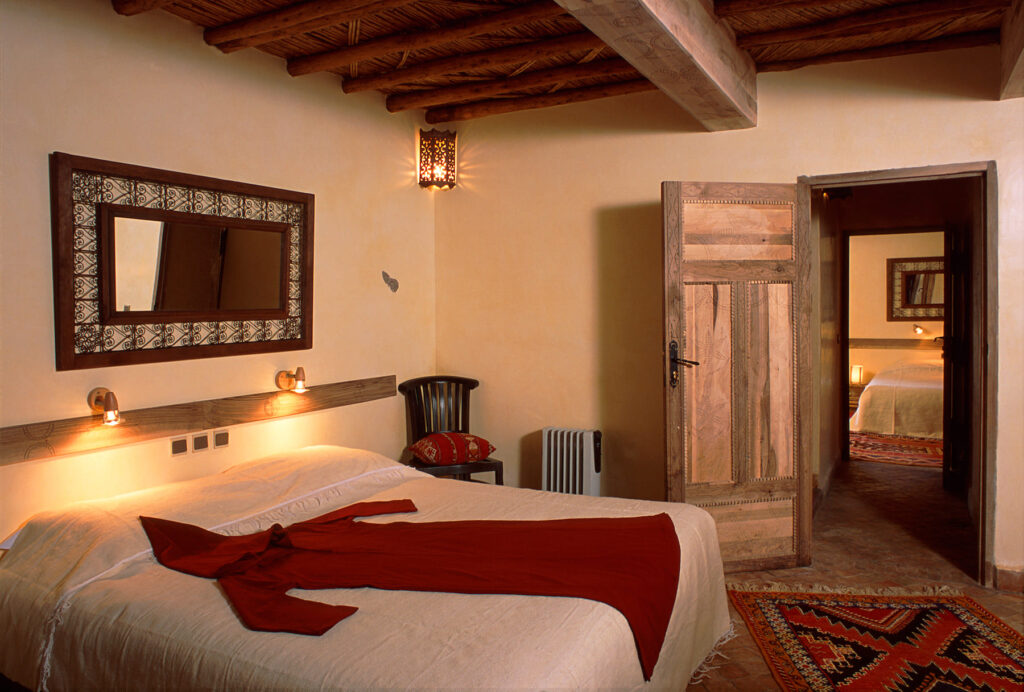
We publicize quite widely that you need to walk to the Kasbah, but even so some people are taken aback a bit as they walk up the hillside. But then they are pleasantly surprised when they walk through the gates and find a comfortable boutique hotel rather than a trekking lodge.
The location and the views are clearly the most spectacular things. And then guests can engage with the local people, because all the staff who work here walk to work and come from the local community. We’ve very much become part of the local community.
5. If a guest only had one day at the Kasbah, how would you suggest they experience the place, the people, and the landscape?
If they’ve only got one day, they should enjoy the Kasbah facilities, spend some time either reading a book or, depending on the weather, looking out from the roof terrace and getting to know our staff. Obviously, we encourage people to stay a minimum of two nights to really appreciate the place.
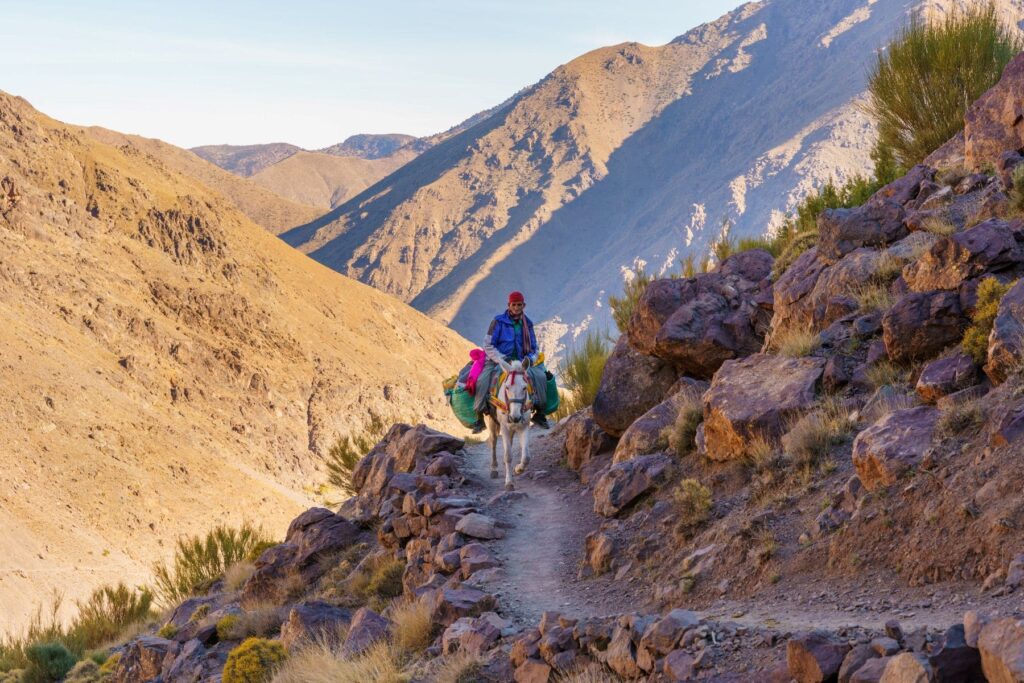
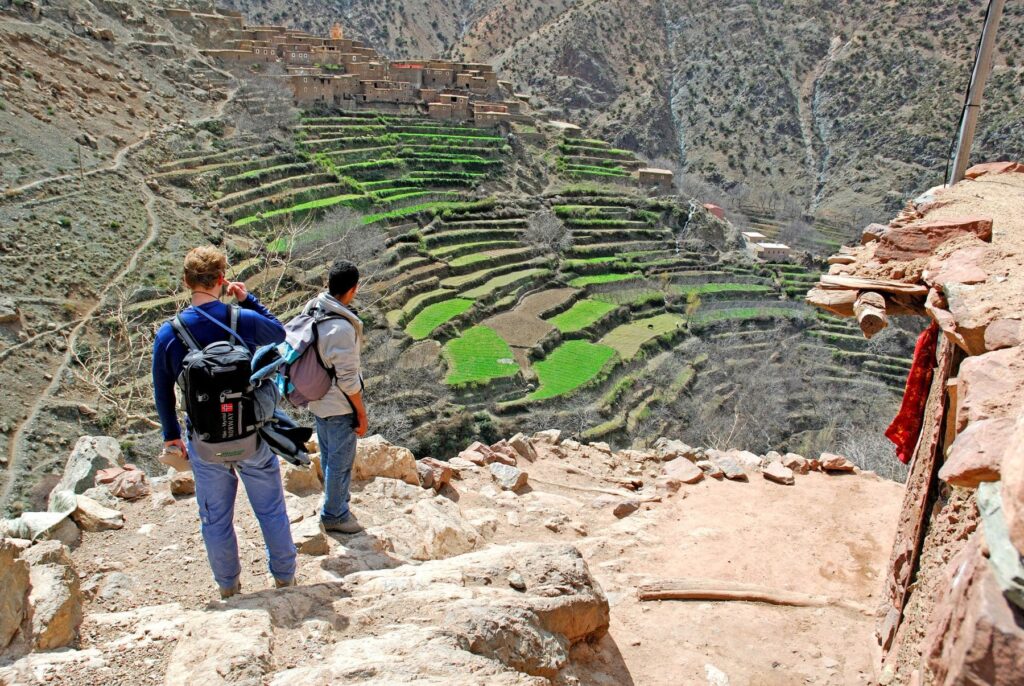
One thing that is very well appreciated by our guests is a trekking trip where they spend five nights with us. You spend the first two nights at the Kasbah, with a local walk on day two. Then, in another valley, we have a remote trekking lodge that is more traditional and allows you to trek for the whole day and have a picnic lunch with your guide and muleteer.
6. What are some sustainability actions you recently implemented or are planning to do?
We try to be good neighbors and buy locally. The economy of Imlil has changed from a subsistence economy, with walnuts as a cash crop, into a cash economy through tourism. And obviously, there are a lot more purchases and goods coming in from outside, so the amount of rubbish produced has grown. We are trying to improve the rubbish collection.
We have solar panels, and around 50% of the energy in Morocco now comes from solar and wind. So, the electricity that we use is relatively green.
7. Looking ahead, what feels most important to protect about the Kasbah’s purpose and impact?
To make sure the local community carry on gaining from it, which they do through our 5% levy because that’s spent on Education For All. Also, the architecture of the region needs to be protected, and people have copied us in some of the internal decorations, such as the traditional wood ceilings. And we try to engage with the local authorities to have architectural guidelines that will protect the architecture.
Kasbah du Toubhal – In Short
8. Your favorite spot in or around the hotel?
Even though I’ve done it numerous times, it’s the drive up the valley that I love most. Depending on the season, the views can be spectacular. In springtime, you have cherry and apple blossoms; in winter, you have the snow.
I also love the walk through the walnut trees. It’s only a 10–15-minute walk from Imlil, but it’s really special—the dappled light coming through the leaves changes throughout the year, so the experience is always a little different.
9. A detail most guests overlook, but you care about deeply
Once they begin talking to the staff, they understand that we’re part of the community. When we started, we didn’t even know these terms like regenerative travel or sustainable tourism. We just did it almost as good neighbors.
10. A sound, texture, or element that defines this place for you?
It’s our staff that are the single most important thing. Maybe they’re even more important than the location.