Voices of Select Green Hotels: Conversations with the people shaping sustainable hospitality.
Within the Serra de São Mamede Natural Park, near the hilltop village of Marvão, A Sociedade Rural is an adults-only retreat of three houses and nine suites on a 30-hectare organic farm. Chestnut, cork, olive and oak trees surround the estate, and the kitchen at A Cozinha cooks with whatever the garden, orchard and olive grove provide.
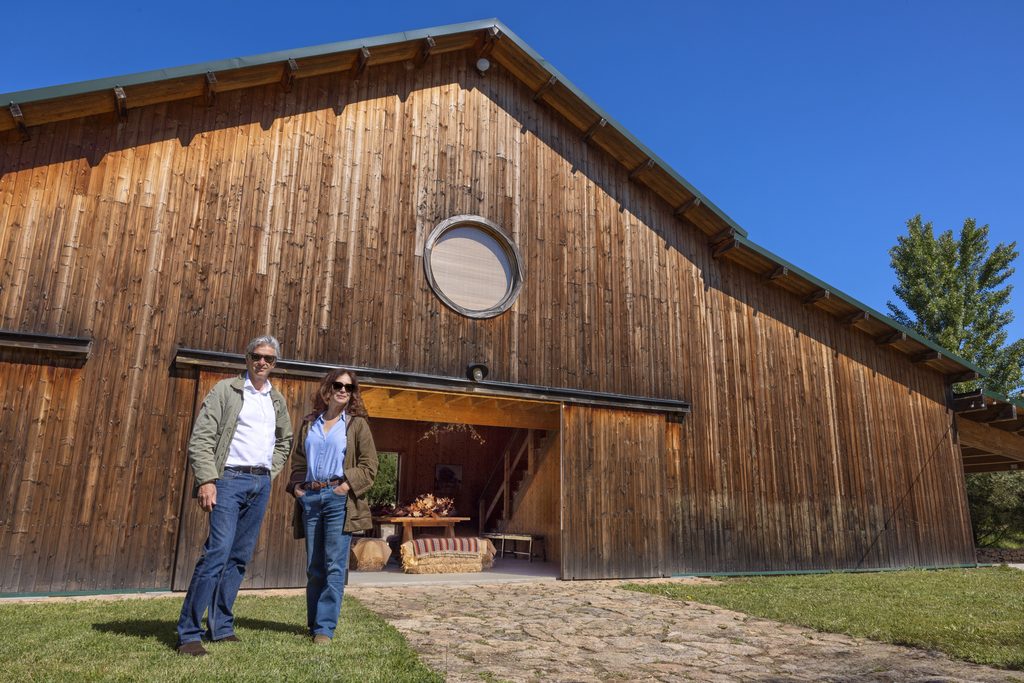
We spoke to Claudia Villax, Co-Owner of this special property.
“Nature does not need to be turned into a garden. It needs the space to be itself.”
1. You left a marketing career in Lisbon more than twenty years ago to start over in the Alto Alentejo. What was the transition like?
We came from a world where we were used to planning, organising and believing that, with the right strategy, we could anticipate what was coming. In the countryside, that idea quickly falls apart. Nature has its own rhythms, the seasons do not always unfold as expected, and there is always something beyond our control.
We learnt to adapt, observe more closely, and accept that not everything happens when we want it to. Working the land takes persistence and hard work, but also humility. Some decisions take years to bear fruit; others force us to start again.
Perhaps one of the greatest lessons has been understanding that we can care for the land, prepare for what lies ahead and work alongside nature, but we cannot impose our own pace on it. In time, that lesson finds its way into other parts of life, too.
2. A Sociedade Rural was a working farm long before it welcomed guests. When you opened the houses, what did you deliberately leave out?
We left out excess, and the idea that every moment needs to be filled. We did not want to create a place where every part of the day was planned, with a succession of experiences or things to do.
Our starting point was the countryside and what it offers: space, silence, freedom and the chance to take things slowly. We wanted comfortable houses with their own character, but ones that would never compete with the landscape. Places where you feel like staying in, reading, talking, eating good food, or simply looking out of the window.
We believe that being a good host also means knowing what not to add. Not everything needs to be explained, organised or turned into an experience. Sometimes, all you need to do is create the right conditions and let people find their own way of being here.
3. Each house takes its name from a plant of the Serra de São Mamede: esteva, oliveira, rosmaninho. How did the landscape shape the way you imagined the interiors?
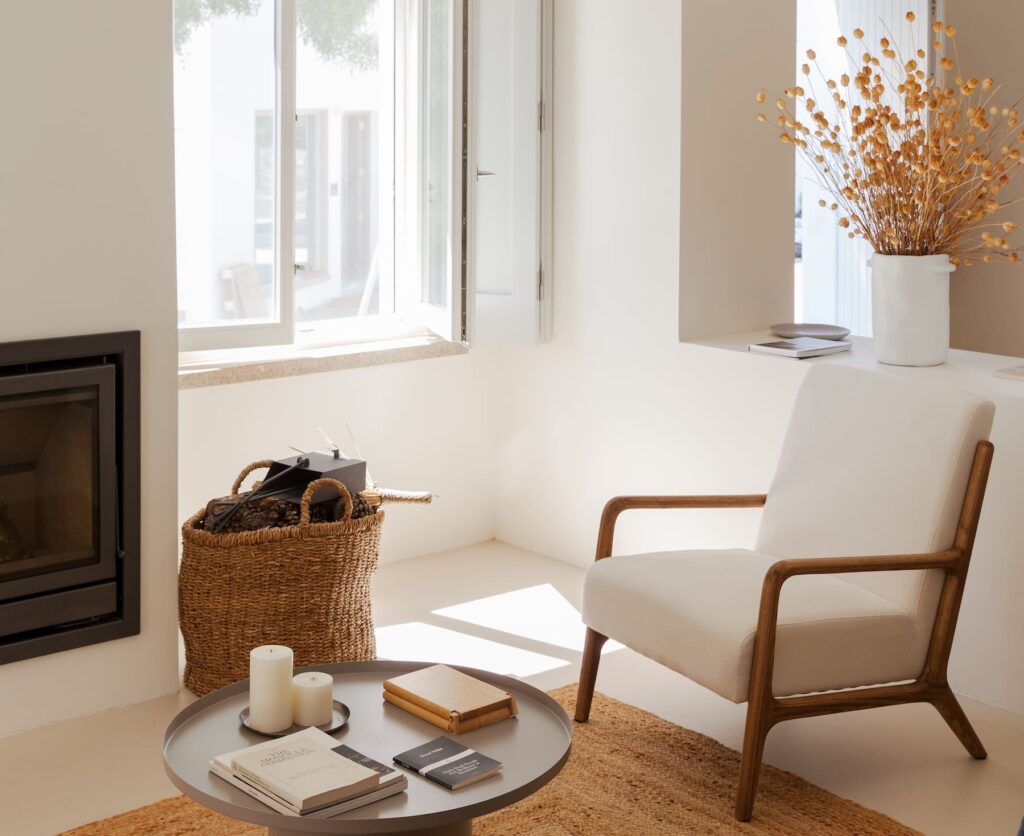
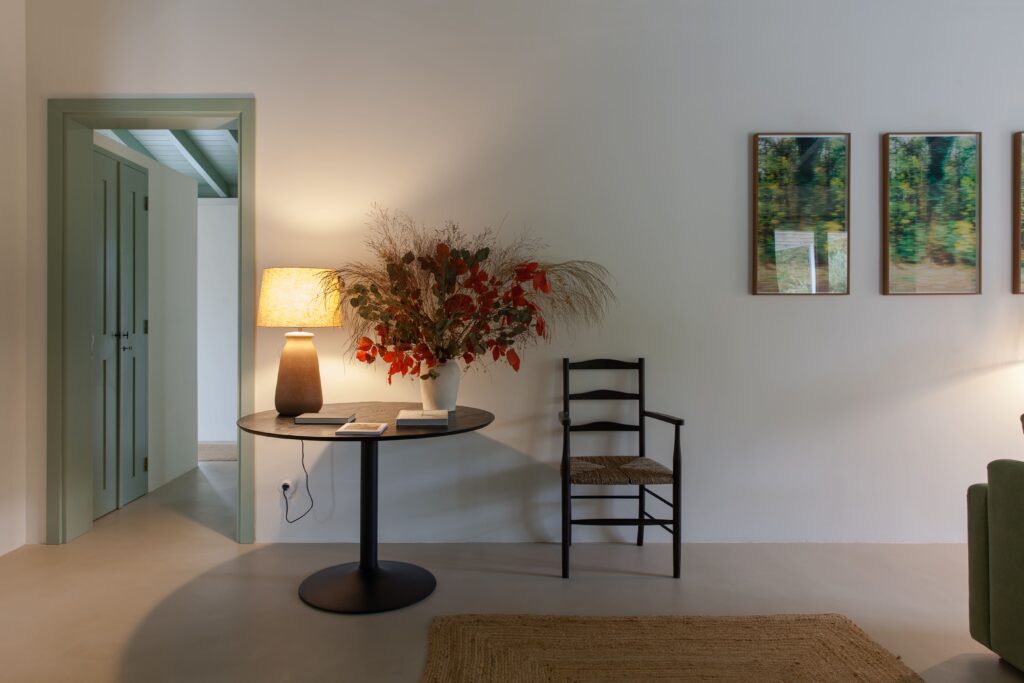
The landscape was always our starting point. We didn’t want to recreate it inside the houses, but to create a sense of continuity between the world outside and the spaces we live in.
Earth, stone, wood, wild vegetation, and changing light were all important references. We looked for materials, textures and colours that belonged to this place, without making it feel too polished or stripping it of its character.
The names of the houses are another way of connecting with the flora of the Serra de São Mamede. Esteva, Oliveira and Rosmaninho are all part of this landscape and the identity we want to preserve. Learning plant names, recognising a tree, or noticing the scent of a herb after the rain are small things that bring us closer to a place.
Each house has its own personality, but none is intended to be more important than the landscape around it.
4. Almost everything at A Cozinha comes from your garden, orchard and olive grove. What might a guest eat on a given evening?
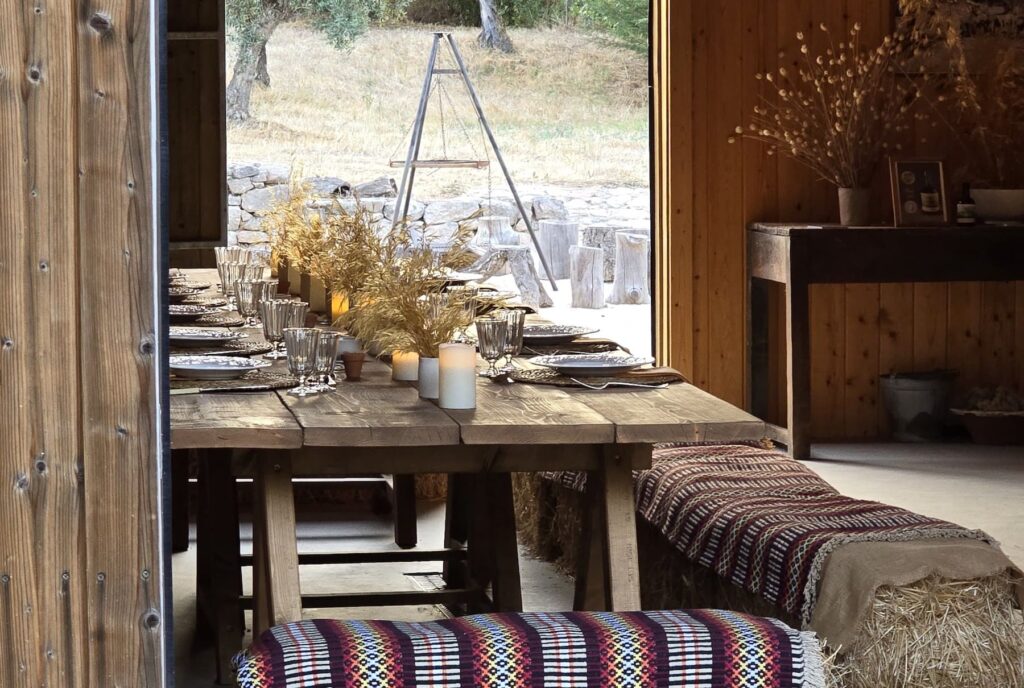
Our cooking begins in the vegetable garden and follows the seasons. What we serve depends largely on what the land gives us at any given time, so we don’t really have a fixed menu throughout the year.
It might be a soup made with vegetables from the garden, freshly picked produce, seasonal fruit or a simple meal in which olive oil, bread and fresh ingredients take centre stage. We also make jams, preserves and other things when there is plenty to harvest, allowing us to hold on to the flavours of each season a little longer.
We like food that is uncomplicated and respects its ingredients, without needing to disguise their flavour. We favour produce from the farm and work with local growers and producers who share our approach to food.
5. You have planted more than a thousand native trees and restored the estate’s dry-stone walls. What is the next sustainability project you are working on?
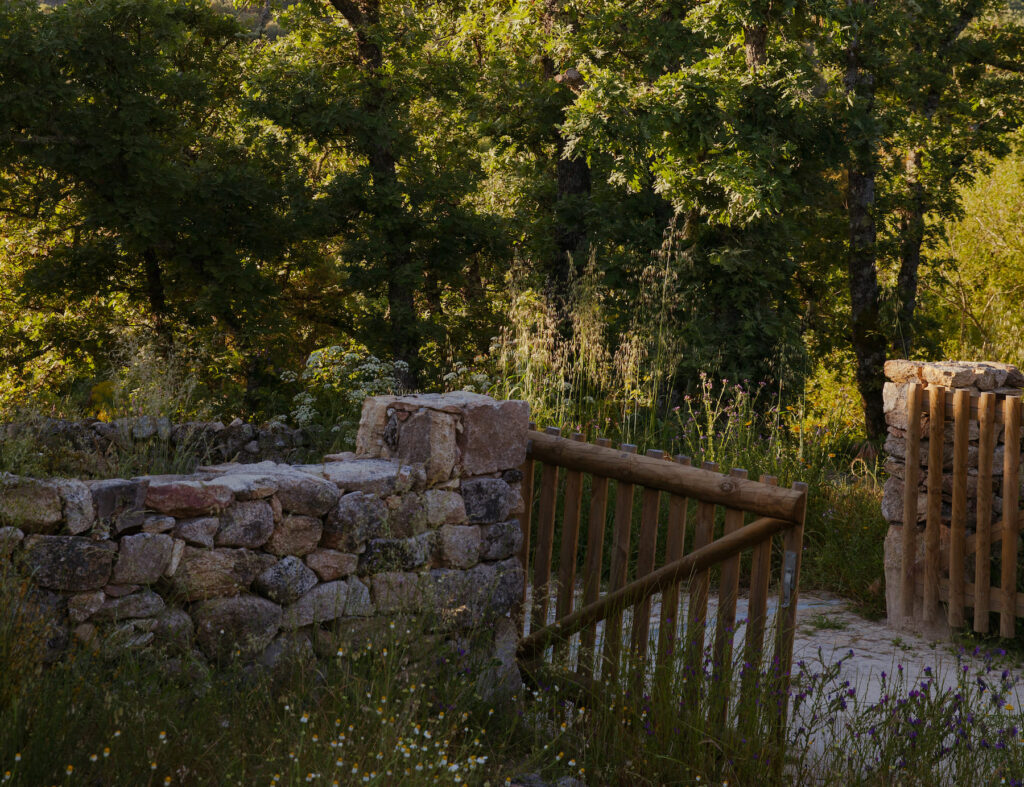
For us, restoring the land has never been a project with a finish line. It is an ongoing process of observation, learning and small decisions that, over time, can transform a landscape. One of our greatest concerns today is protecting native flora and biodiversity, particularly as climate change makes this work increasingly challenging. We want to keep creating the right conditions for pollinators, birds and beneficial insects, encouraging greater plant diversity and caring for the soil, its organic matter and its ability to retain moisture.
We also continue identifying and controlling invasive species, and managing the risk of plant diseases introduced through the trade and transport of plants. We do not always have all the information we would like, so we have to keep observing, learning and adapting our practices.
Perhaps our next project is, above all, to continue this work with greater knowledge and care. There is always something to restore, a species to protect or an ecological balance to understand a little better. This long-term commitment matters to us.
6. You created “Adopt a Millennial Olive Tree,” an award-winning campaign to protect Portugal’s traditional olive groves. How did the idea come about?
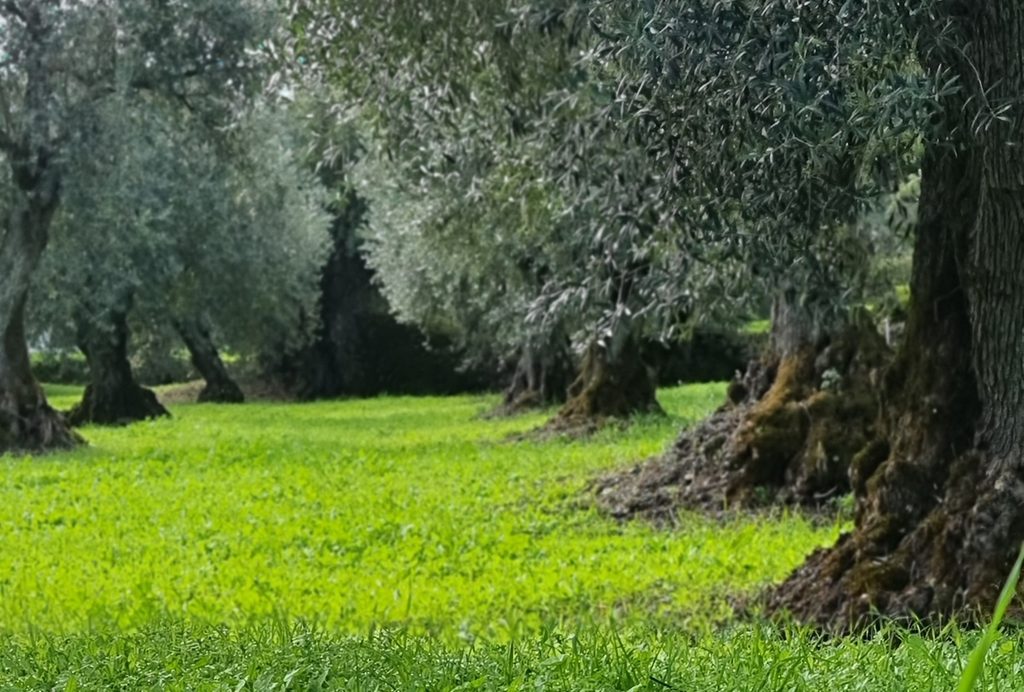
The idea grew out of our concern about the disappearance of Portugal’s traditional olive groves, at a time when support schemes encouraged replacing them with more intensive production systems. Ancient trees, adapted to the Mediterranean climate and to conditions with less available water, risked being replaced by farming models more dependent on irrigation, based on monocultures and placing different demands on natural resources.
We believe traditional olive groves are worth far more than the olive oil they produce. These trees are part of our identity, our rural landscape, and a relationship with the land built over generations. They are also a living heritage, supporting biodiversity and preserving an agricultural history that cannot simply be replaced.
With Adopt a Millennial Olive Tree, we wanted to involve others in this mission and help protect these extraordinary trees. We believe that when we form a connection with a tree, its history and what it represents, we also become more aware of what we stand to lose.
Ultimately, the campaign came from a desire to do something in the face of this disappearance: to turn a concern into a tangible opportunity to protect a heritage that belongs to all of us.
7. If a guest had only one full day at A Sociedade Rural, how would you suggest they spend it?
I’d probably say: just stay, disconnect, and enjoy the slow rhythm of the place.
A day at A Sociedade Rural is not a list of things to tick off, but an opportunity to rediscover the pleasure of being in the countryside and letting time pass a little differently.
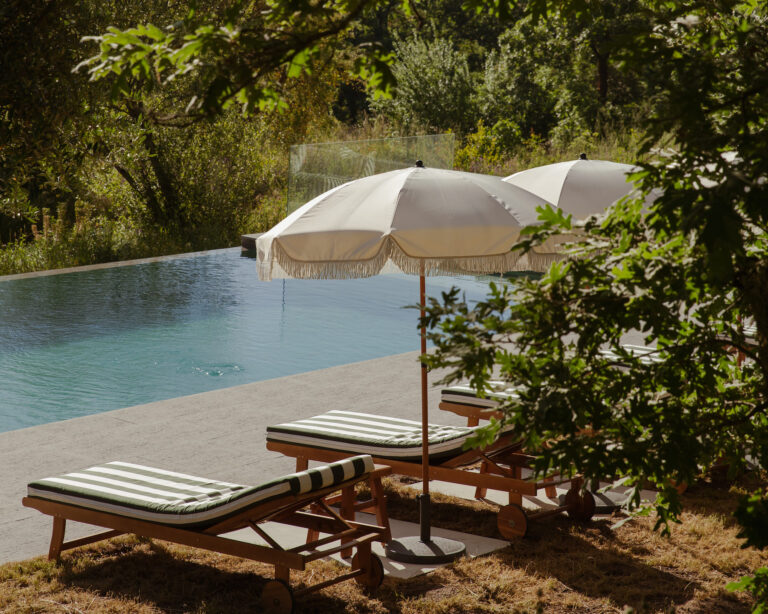
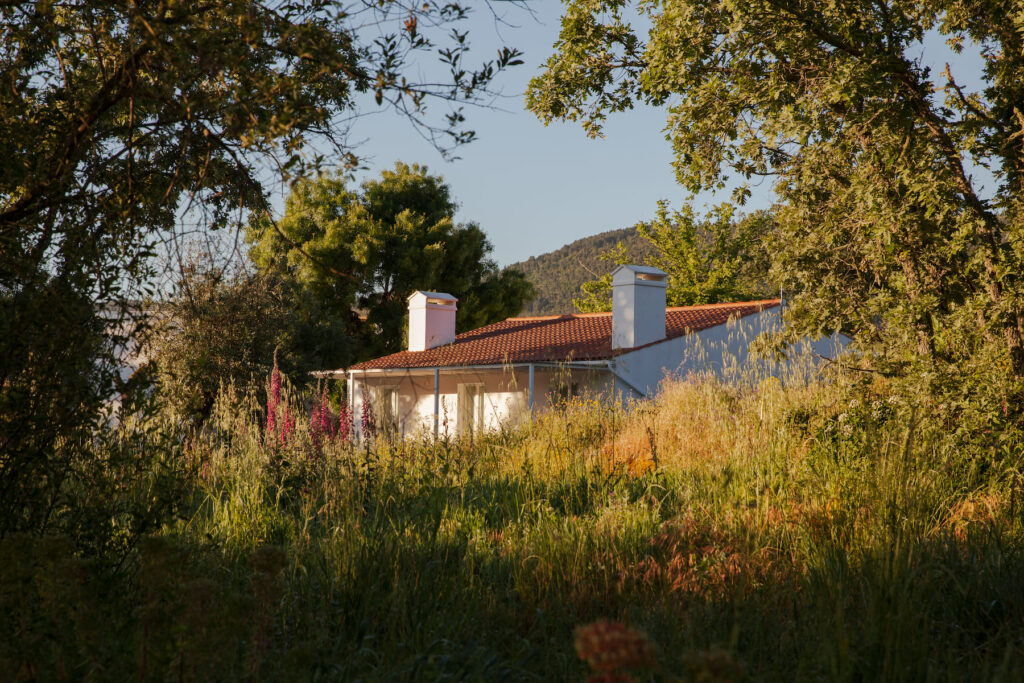
I’d suggest starting the day outdoors, setting off on foot, on horseback or by bike along the paths that cross the farm and the surrounding landscape. Depending on the season, you might find wildflowers, take a swim in the pool, or simply take a quiet walk through the changing colours of the countryside.
Afterwards, there’s time to slow down. Perhaps a long, leisurely bath or a session in the sauna on a colder day, followed by a cup of tea by the wood burner. In summer, the afternoon might call for a swim, a visit to one of the nearby reservoirs or rivers, or in summertime an evening at the Marvão International Classical Music Festival.
And then, of course, there is the food: a visit to the vegetable garden to pick something fresh and taste it there, full of seasonal flavour. Strawberries and cherries in summer, figs in early autumn, chestnuts as winter approaches. Each season brings its own pleasures. Ultimately, I hope they leave feeling they’ve had time to breathe, reconnect with nature, and enjoy the simple things without ever feeling they needed to make the most of every minute.

8. What do guests tell you they notice first when they arrive?
Often, they tell us they didn’t expect to find what they did. Perhaps because it is difficult to imagine this place before you arrive. But what matters even more to us is what they tell us when they leave, and the way their time here has inspired them. Knowing they are taking home a new idea, a desire they didn’t have before, or even just the feeling that they have managed to slow down means a lot to us.
9. Your journal celebrates winter as much as summer. Who comes to the estate in winter?
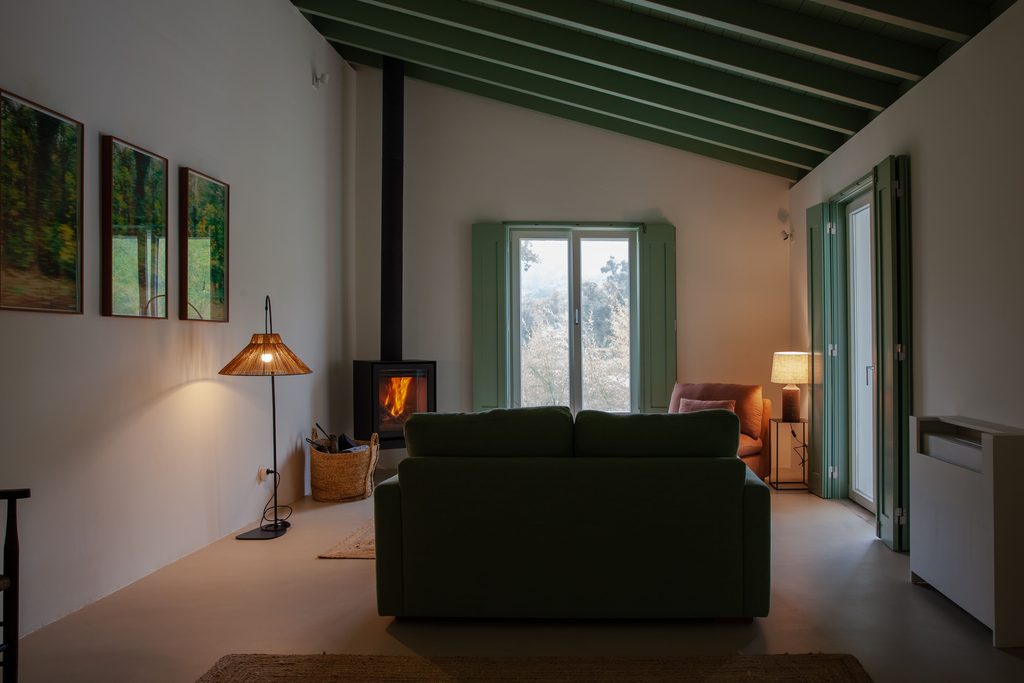
Winter holds a special place for us. We love being in the countryside at that time of year and, perhaps for that reason, we want people to see that this place isn’t simply waiting for summer. The landscape changes, the trees become bare, mosses and lichens emerge, and the light takes on a different quality. Cold days have a particular beauty. After a walk, your cheeks might tingle from the cold; later, nothing is quite like settling indoors by the wood burner with a book and a cup of tea.
In winter, guests discover a more inward-looking side of A Sociedade Rural. There is less need to head out constantly or fill the day with activities. There is time to walk, observe nature, read, talk and enjoy the comfort of the houses, which are prepared to feel especially cosy during the colder months.
We believe the countryside has a great deal to offer throughout the year, as long as we are willing to experience it in different ways. Winter has its own rhythm, and that is precisely what makes it so special to us.
10. Which sustainability action was the hardest to carry out?
Perhaps one of the most important lessons has been accepting that nature does not need to be turned into a garden. Above all, it needs the space to be itself. A natural landscape is not a monoculture, nor is it a composition in which every plant has a predetermined place. It is a living community of different species that coexist, compete and depend on one another. It is this balance, always shifting, that we try to protect.
That does not mean leaving everything entirely to its own devices. Under certain conditions, some species can become dominant and threaten others’ presence. We therefore need to observe, understand and sometimes intervene, not to impose a particular appearance on the landscape, but to prevent that balance from being lost.
This ongoing work calls for attention and restraint. Learning to recognise when we should act and when it is better not to interfere may be one of the hardest parts. Doing more does not always mean doing better.
A Sociedade Rural – In Short
11. Your favorite spot on the estate?
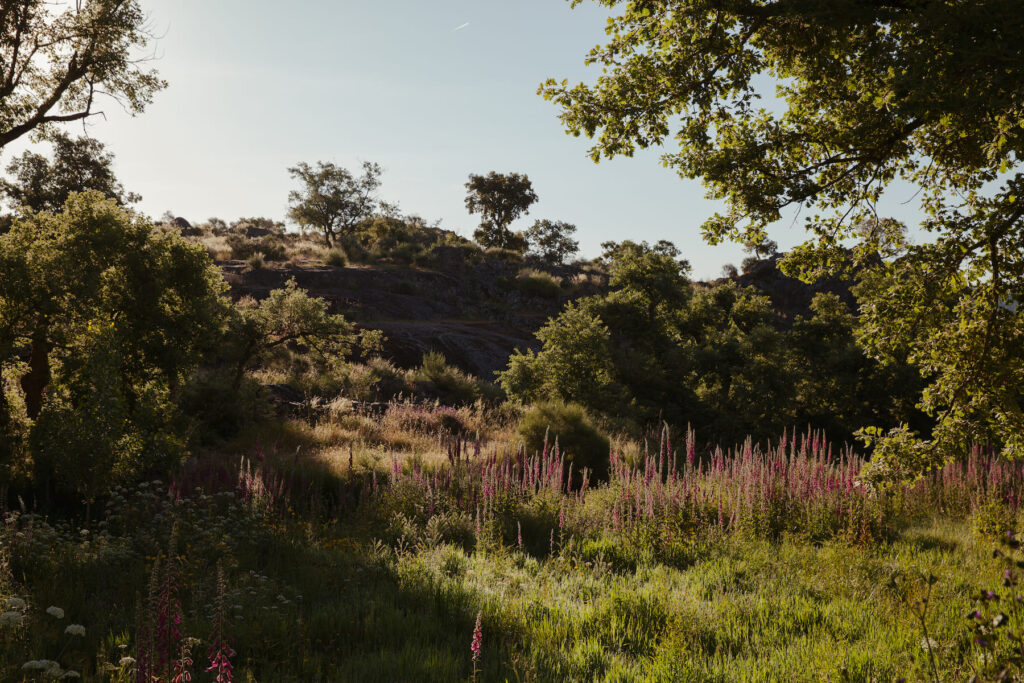
There is a rocky outcrop with 360-degree views across the landscape. It is relatively easy to reach, yet when you get there, it feels as though you are on top of the world. The green all around you is so intense that you almost feel you could reach out and touch the sky.
In winter and spring, when water runs through the rocks and tiny forms of life become more visible, the landscape can feel almost underwater. It is difficult to explain, but it is a very special place.
12. A dish at A Cozinha you would always order?
Our sorbets, especially when we experiment with unexpected flavours. We love discovering new combinations and making the most of whatever each season brings.
13. A sound that defines this place for you?
It might be silence, the wind moving through the leaves or the birdsong. It might also be the absence of any obvious sound, while you watch bumblebees and butterflies near the pool.
Some sounds are almost felt rather than heard. And on a farm where biodiversity is welcome, there is always something happening, even when it seems as though nothing can be heard.